Featured Post

Avoid Quarter 2 Blues: Save Time with a new Google Classroom

For those of you ending the quarter, now is the time to create a new Google Classroom for each of your classes. Organizing new classes will...

Showing posts with label Less is More. Show all posts

Friday, April 21, 2023

Differentiation with Station Rotation

In the past few weeks, we've seen some awesome station rotation lessons at GMS and GHS.

In one GMS special educator's classroom, students were able to experience a variety of tasks and work in a variety of ways on math problems. At one station, students played a competitive game with dice and a game board. At another station, students completed individualized practice on the computer. And at another station, students worked collaboratively. The teacher was able to casually circulate, providing support and feedback to individuals, as needed.

One GHS social studies teacher used the station rotation to break apart and scaffold a complex document-based response activity. Instead of giving students a huge packet of resources, students rotated to different pieces of evidence around the room and used guiding questions to support their comprehension and analysis of these documents. The teacher was able to target support to each group based on their document, and an early finisher station allowed some students to move ahead at their own pace. By tackling the task piece by piece and in collaboration with peers, the students were more engaged with the topic and more eager to write a response.

A GHS special educator used station rotation to have the opportunity to pull students in small groups for targeted instruction according to a timed rotation, with other students working on independent tasks at other stations. The rotations allowed her to provide differentiated content and processes for students based on their needs and abilities. The teacher was able to provide real-time, high-quality feedback to students as they worked, allowing them to be partners in the learning process and ensure that their practice was perfect.

Perhaps most interestingly, the teachers shared that not only were they more relaxed in the pace of the station rotation, but the students happier and more on task. Several of them used technology, like video or slides tutorials, to free themselves from needing to explain things to the class, and others used ready-made online practice to support personalization of practice.

These teachers showcased how station rotation can be used for a myriad of tasks and in support of differentiation. There are so many ways to use station rotation to make life better for teachers and students. If you want more ideas or answers to frequently asked questions, check out this blog post from Catlin Tucker or talk to a member of TLI.


Friday, February 3, 2023

Supporting Student Digestion (of Content)


In Catlin Tucker's recent episode of her SEL series of the podcast, The Balance, she talks about how important Self-Management is to student development, and how vital it is that we provide students with opportunities to make choices.

One research-based and easy way to do this is to provide students opportunities to monitor their own progress through checklists. Chunking big assignments into smaller pieces is often a recommendation on individualized student plans, and this makes sense: just as we wouldn't do well shoving a whole candy bar in our mouths at once, our students won't digest the task well if we ask them to conceptualize it all at once.

Additionally, education specialist Dr. Kathleen Dudden Rowlands believes checklists are more than just a way for students to stay organized and on-task: 

"Metacognitive research consistently suggests that students who know how to learn, know which strategies are most effective when faced with a problem or a task, and have accurate methods of assessing their progress, are better learners than those who don't."

So what to do?

Option 1: Provide Assignment Checklists

If you already know the steps to take for students to successfully tackle a task, why not give them a checklist? Many teachers do this for longer assignments anyway, but this can also be valuable for daily assignments. This can even be done "on the fly" for individuals in need.

Option 2: Support Students in Creating their own Checklists

Not only is breaking tasks down an important life skill, but it helps students grasp the scope (and best sequence) of the task at hand. You can scaffold this by providing a partial checklist, with students brainstorming minor tasks under a major heading, or even by creating the checklist together as a whole class or in groups. 

If you want a lesson plan idea for supporting students in breaking down directions, check this out. If you want to support students by using technology, be sure to include some time to model the tool!

Technology tools to try:

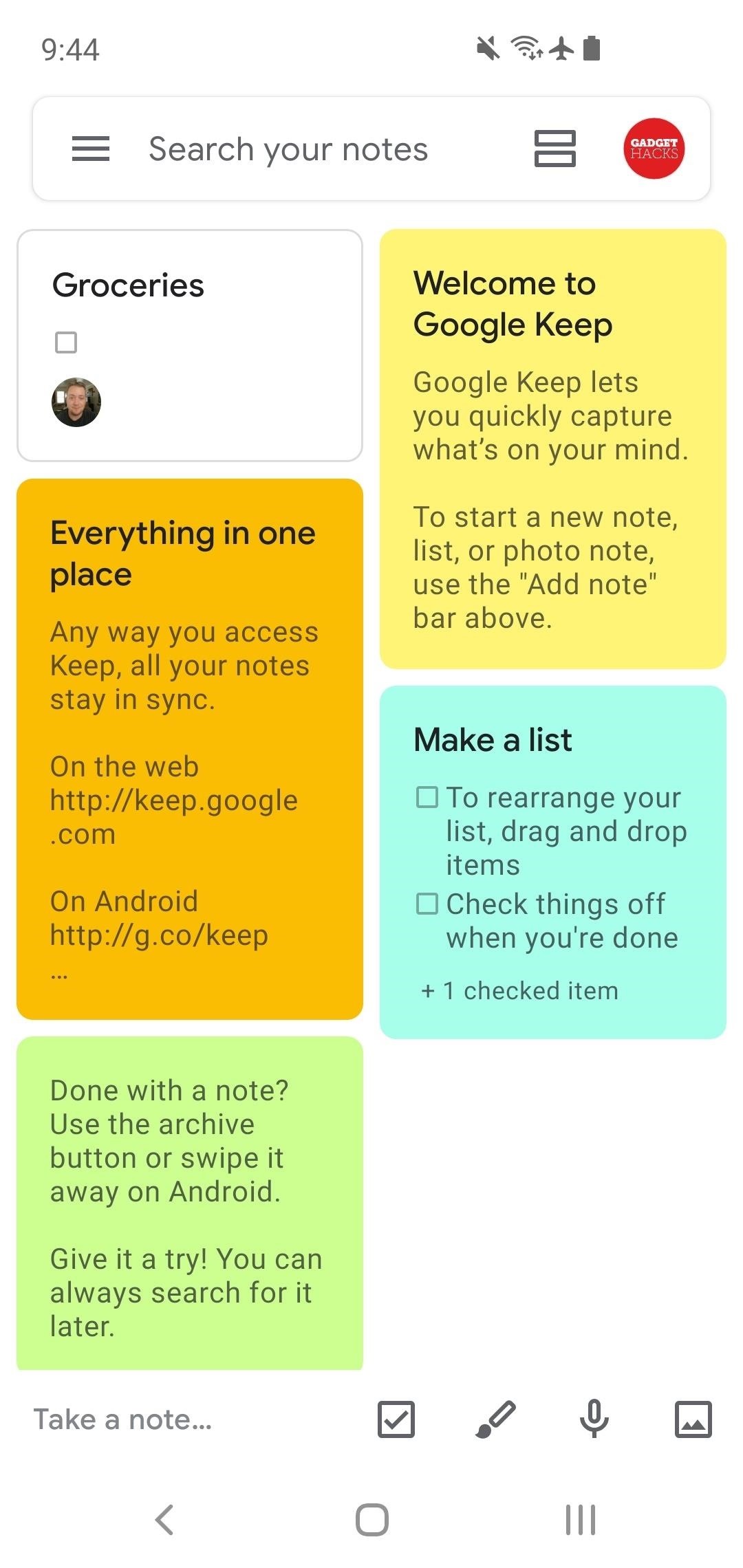
Are kids mobile? Kids can use Google Keep, which is great for use on computers and mobile devices, quickly saving content, and collaboration. (Learn more about using Google Keep with students at ShakeUpLearning.)

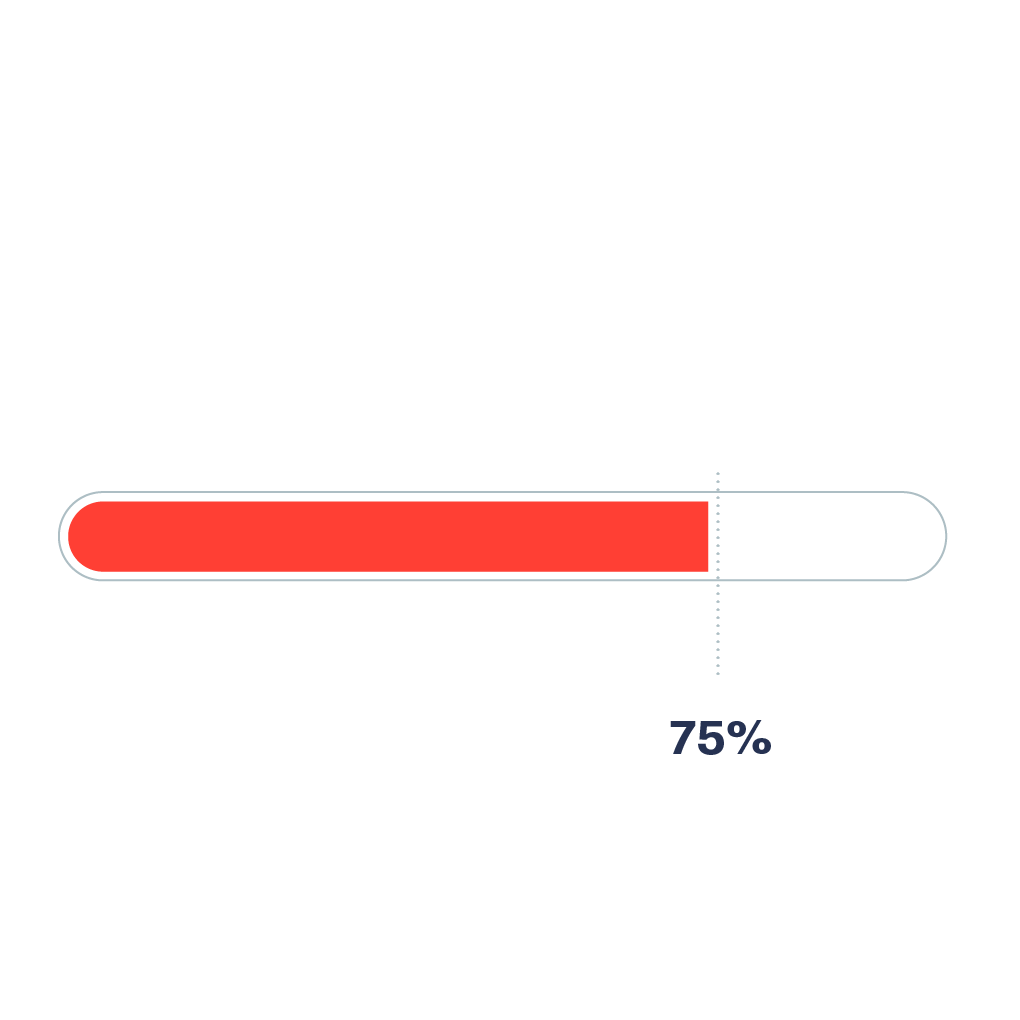
Is the task big? Students might also use Google Sheets for a more involved project. Each part of the task can have its own tab and set of checklists. TLI also has some templates that you can provide students that cross items off the list when the box is checked AND show progress in a progress bar.

Want to keep it really simple? Google docs has also just made it easier to create and use checklists, which allows for students to check and cross out items (or uncheck, if they realize it isn't done). Check out the 2 minute tutorial below that shows a few ways to make checklists!


A note about behavior: Do you have students who might benefit from an academic behaviors checklist? Enlist them in creating their own self-management goals for the day with this tool from Intervention Central.

Wednesday, November 16, 2022

Dicebreakers: Using Virtual Randomizers to Foster Collaboration

At this week's TLI Committee Meeting, the team highlighted ClassroomScreen as a tool worth using. While we've written about ClassroomScreen before, recent discussions with teachers have highlighted a few needs that this tool can meet with very little effort from teachers. (For more, check out the updated TLI EdTechResource on ClassroomScreen.)

But the real story is that in checking out the ClassroomScreen twitter account, the team stumbled across an engaging idea with many ready-made templates that is EASY to use to foster student collaboration, critical thinking, and bonding: dicebreakers.

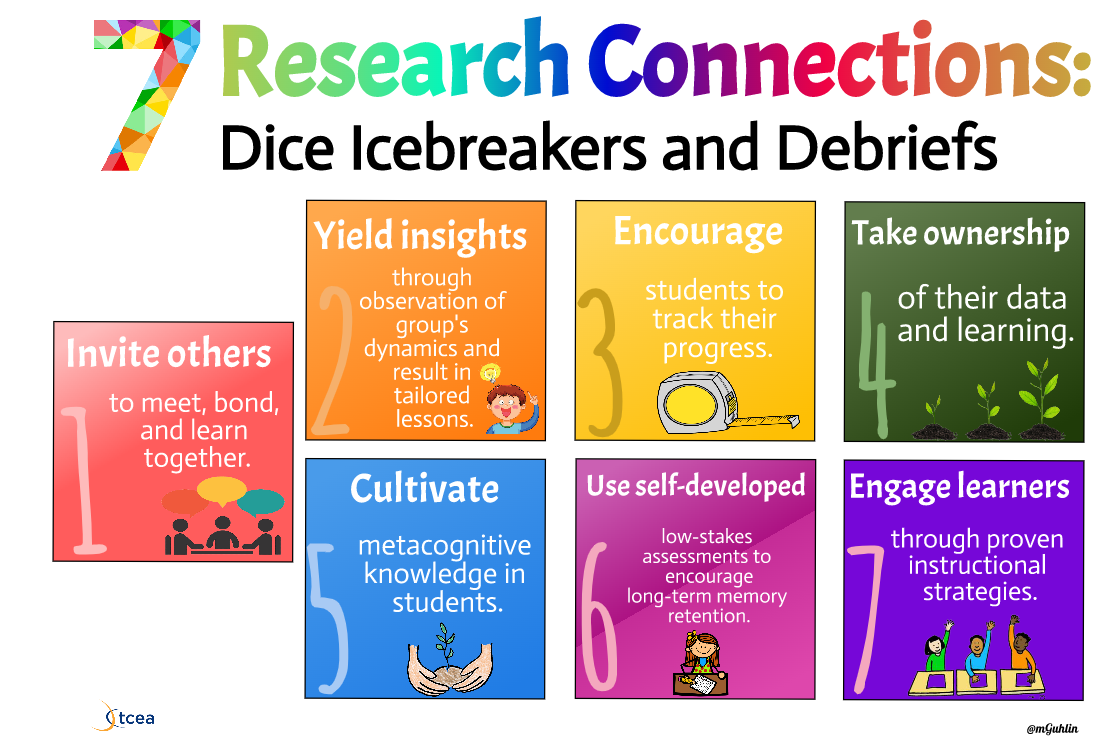
There are many icebreaker resources available online that use dice to spice up getting-to-know-you activities (like this free template), but the TCEA blog showcases many other ways that dice can be used to get students talking and working together. Essentially, dicebreakers allow students the opportunity to brainstorm and talk through their ideas about different parts of a topic without having to discuss the same concept. Using physical or virtual 6-sided dice, this activity provides six different, yet related, talking prompts that encourages in-class discussion. This could be unrelated to content, as with a traditional icebreaker, or it could be related to your business unit!

But the TCEA blog highlights other uses for dice activities that include ideas for debriefs and ready-made templates. Check out their extensive blog post and see which ideas you can use in your classroom next week.

Want more ideas for using dice in the classroom? Check out this post for using giant dice for whole class fun and this WeAreTeachers post for additional ideas to using dice to spice up ELA, math, and even music lessons.


Friday, October 21, 2022

Unburdening the Brain & Shifting the Cognitive Load

There's been A LOT written and talked about recently in regards to "cognitive load"; brain science is showing us more about what does and doesn't work for learning, and the impacts of trauma (like a certain pandemic) and still being felt by our students.

A recent podcast from Truth for Teachers, "Help students do more with less effort using cognitive load theory", explains:

Cognitive load theory includes intrinsic, germane, and extraneous loads. Intrinsic load is the complexity inherent in the content. Instructional designers recognize that most of this load cannot be mitigated. Content load should not be confused with task or assignment load, which are addressed in the next two types.
In germane load, learners are integrating new information into an existing schema. Designers tend to increase this load since it helps ensure learning makes it to long-term memory. Finally, there is extraneous load, which designers seek to eliminate as much as possible. These are the other weights our students carry: distractions (environmental or internal), redundancy of content, and so forth that interfere with deep learning.

(For a more detailed report on what teachers need to know about cognitive load, check this out.) 

What does this mean for us? In short, we want to plan to support the germane load and decrease the extraneous load so that students can spend most of their energy on the intrinsic load. 

What does this look like in class?

If I'm introducing a new competitive review game for some recently taught content, I might not be affecting the intrinsic load because the students should know the content. In fact, frequent, short review games as retrieval practice are good for learning! 

However, by adding a new game and making it competitive, I've potentially increased the extraneous load because of stress AND not taken advantage of the germane load, as students are expending more energy learning something new than perhaps they are on reviewing.

Does this mean we never use a novel approach? Of course not--that would be boring! However, it might mean that I should go with tried and true games FIRST when planning, or that before I use a game like this for content, I introduce it with something fun and low stakes so that students can learn the rules before "it counts." 

In short, the more we rely on routines and solid practices for activating prior knowledge and scaffolding, the more we help our learners focus on learning! 

For more practical tips, this recent Edutopia article also outlines "How to Reduce the Cognitive Load" includes several tips for reducing the extraneous load and supporting the germane load with scaffolds. 

Let us know what stood out for you or what you want to know more about in the comments.

Friday, September 16, 2022

Templates for Teaching

On a recent Truth for Teachers podcast, Marguerite Redelfs shared how she uses templates to save time AND support deeper student learning. Perhaps this is a no-brainer for some of us, but it can be worth remembering that there are a lot of ready-to-use structures out there to make teaching not just easier to prepare for, but also better for deep student learning.

Brain research supports the use of using and reusing "standardized" approaches to tasks or topics, as the familiarity with the process increases students abilities to focus on the new learning. For example, if we introduce a new review game to students, they spend as much if not more of their mental energy on learning the game as they do accessing the content. Thus, playing Blooket to review at the end of each week or unit allows students to focus on the learning and not the rules of the game.

Likewise, using Google Slides or Google Jamboard templates for Visible Thinking Routines that you can use over and over is not only a huge time-saver for the teacher, but helps students focus more on the product than the process.

Using templates for hyperdocs or other lesson organization structures is just smart. The time YOU save on creating something from scratch can then be spent on other activities that support student learning.


Friday, February 11, 2022

Finding Balance with Grading


February is always the longest short month, but this year feels harder in many ways for teachers. While there are no miracle cures, one step teachers can take to enhance teacher well-being AND student well-being is finding a balance with our assignments.
While there is plenty of research that shows the value of feedback (and tips for how to make that feedback the best possible), there is little research that supports the value of grading for student learning or well-being. Research shows that grades MIGHT impact student motivation positively if they are perceived as providing helpful feedback, but on the whole:  
"Grades did not enhance academic motivation. Instead, grades enhanced anxiety and avoidance of challenging courses. In contrast, narrative evaluations supported basic psychological needs and enhanced motivation by providing actionable feedback, promoting trust between instructors and students and cooperation amongst students." 

So, what do we as teachers do, when the reality is that grades are expected and still carry importance in the wider world?

The most recent episode of Catlin Tucker's podcast The Balance is an 11 minute gem devoted to grading. If you find yourself drowning in student work to assess, this is worth the listen. 

In her blog reflection, Catlin Tucker shares:
"A few years ago, I hit a breaking point. My grades didn’t feel like an accurate reflection of my students’ skills, and I was spending hours wading through paperwork instead of designing dynamic learning experiences for my students. Now, when I work with teachers, I encourage them to ask these questions: What is the purpose of this work? Why am I grading this?"
Catlin found that a few changes helped her spend MUCH LESS TIME grading, shift her practice to more time spent in class on feedback, reflection, and setting goals for learning, and find MORE MEANING in the time she spent giving feedback. She shares the following helpful flowchart in her blog:

If this seems interesting, take 15 minutes to check out the blog and podcast. Let TLI know if you want to chat about how you might strike this balance in your classroom!


Tuesday, September 7, 2021

Who is doing the work?

As a TLI department, we've been reading blended learning expert Dr. Catlin R. Tucker's new book Balance with Blended Learning: Partner with Your Students to Reimagine Learning and Reclaim Your Life. Chapter 3 is entitled, "Who is Doing the Work in Your Classroom?" I love this question.

Tucker shares that teachers often shy away from jumping into blended learning because "they are not sure where they will find the time to try anything new" (29). And she gets it. She shares:

"For years, I was trying to stay above the tidal wave of work that threatened to drown me."

And then, about 5 years ago, she made the decision to pass as much of the work on to her students as possible.

Her argument is that if we design the whole project, from process to product to rubric, we rob the students of the opportunity to think critically and creatively about the standards, plan for success, troubleshoot problems, and determine what makes it a success. When they do the work, they own it.

It is easy to think, "What about the kids who..." but every time I've given up control and had students do the work or given students the tools to lead, I've been pleasantly surprised by their engagement, even if more scaffolding was needed to support them through the struggle. 

On a smaller scale, I thought about planning for a reading assignment for a class. It can seem easier to provided reading questions to guide them through a text, but then I am telling them what is important, as I did the hard work of reading. If I spent my energy teaching a reading strategy that helps students to identify what is important or drafting their own questions before reading, the student-led workflow frees me to coach their original thinking and not exhaust myself creating and grading a worksheet.

Not only that, but this made me connect back to one of my favorite Cult of Pedagogy posts entitled "To Learn, Students Need to DO Something" (Gonzalez, 2018). In it, she points out that if the teacher is doing all the work, students probably aren't doing much learning.

I can see how making students do this work will take more time, but I liked Tucker's answer to that concern: "If we are worried about asking too much of our students, then I would argue that we need to be more judicious about the tasks we require students to complete' (32). 

I guess even before we ask "Who is doing the work?", we should ask "Do we really need to do this?"

-Jessica Gillespie